Crayford Steep Garden Access Problems Solved by Gardeners
Steep garden access can turn simple jobs into awkward, muddy, slightly nerve-wracking tasks. If you have a sloping pathway, narrow side access, uneven steps, or a back garden that feels like it was designed by someone with a grudge, you will know the feeling. Carrying soil, plants, tools, or rubble up and down a slope is not just tiring; it can also be unsafe and frustrating.
That is where Crayford steep garden access problems solved by gardeners becomes more than a search phrase. It is a practical answer for homes where the garden layout makes routine maintenance hard work. A skilled gardener can assess the access, choose safer methods, use the right equipment, and plan the job so the garden improves without damaging the property or everyone's backs. Simple idea, really. Big difference in practice.
In this guide, we will look at why steep access matters, how gardeners approach it, what methods work best, the mistakes people often make, and when it makes sense to bring in professional help. If your garden feels like a small climb every time you want to do anything, this article is for you.
- Why it matters
- How it works
- Key benefits
- Who needs this
- Step-by-step guidance
- Expert tips
- Common mistakes
- Tools and resources
- Compliance and best practice
- Options and comparison
- Real-world example
- Checklist
- Conclusion
- Frequently asked questions
Why Crayford Steep Garden Access Problems Solved by Gardeners Matters
Steep access is not just an inconvenience. It affects how often the garden gets maintained, how safely work can be carried out, and how much the final result costs in time and labour. A garden that is hard to reach tends to get neglected a little at a time. The grass grows too long. Hedge clippings pile up. Bags of compost stay in the shed because hauling them becomes a job for "next weekend". And then next weekend becomes next month.
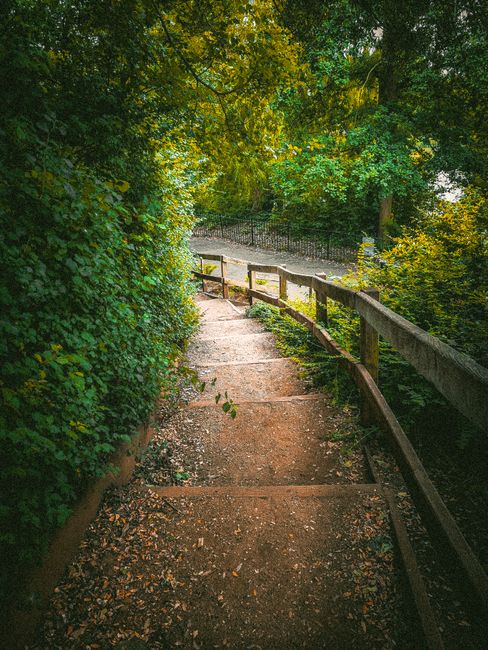
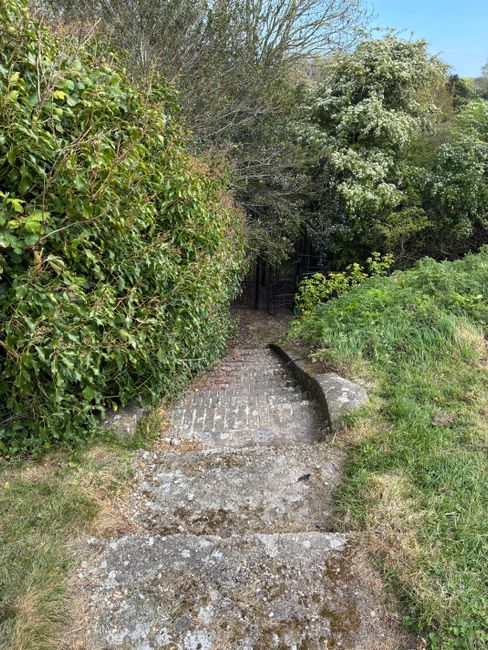
In Crayford, like many parts of South East London and nearby Kent edges, homes can have all kinds of awkward garden layouts: split levels, raised patios, long side alleys, narrow gates, old brick steps, and sloping lawns. None of that is unusual. But it does change the way a gardener needs to work.
A professional approach matters because steep access affects:
- Safety - slips, trips, and strain injuries are more likely when loads are carried on uneven ground.
- Efficiency - the same job can take much longer if access is poorly planned.
- Quality - rushed access often leads to damaged borders, crushed plants, or uneven finishes.
- Property care - narrow passages and slope edges can be scuffed, chipped, or churned up if the route is not considered first.
To be fair, most gardens do not need a dramatic engineering solution. Often the answer is simply a more thoughtful way of working. But that thoughtfulness is what separates a tidy, low-stress visit from a messy one.
Expert summary: the best steep-access garden work is not about brute force. It is about planning the route, reducing load, protecting surfaces, and choosing the right sequence of tasks so the garden can be improved without making the access problem worse.
How Crayford Steep Garden Access Problems Solved by Gardeners Works
When gardeners deal with a steep access garden, they usually start by looking at the site itself rather than the task list alone. That first walk-through matters. Is the access slope firm or slippery? Are the steps even? Can wheelbarrows be used, or is everything hand-carried? Is there room to turn, store materials, or stage waste safely?
From there, the work is usually broken into manageable parts. This is not glamorous, but it is effective. A steep garden rarely rewards a "just get on with it" mindset. It rewards planning.
1. Assess the route before any work begins
Gardeners identify the safest path for getting in and out of the space. That might be a side passage, a rear gate, a set of steps, or sometimes a temporary route through the main garden. They look for pinch points, low head clearance, loose paving, and wet patches that could become slippery.
2. Reduce carrying strain
Rather than trying to move everything at once, good gardeners split materials into smaller loads. Compost, turf, topsoil, gravel, and garden waste are often moved in smaller batches. It sounds obvious, but you would be surprised how many jobs go wrong because someone tried to carry too much down a steep slope in one go. Classic mistake. We have all seen it.
3. Use the right tools for the terrain
The right tool choice can change the whole job. On difficult access gardens, gardeners may rely on lightweight hand tools, compact machinery where suitable, protective boards for surfaces, and sturdy containers for waste. The point is to keep the work controlled.
If heavy clearance is needed, services such as garden clearance can be especially helpful, because the team can plan removal in a way that suits the layout rather than forcing the layout to suit the task.
4. Sequence the work logically
With steep access, order matters. Often the best sequence is:
- Remove loose waste and hazards first.
- Cut back overgrowth to open the route.
- Carry out heavier pruning or dismantling.
- Handle soil movement, planting, or hardscape tasks after the access is clearer.
- Finish with tidy-up, sweep-down, and surface checks.
This avoids the all-too-familiar problem of making the access worse halfway through the job.
5. Protect the garden and surrounding surfaces
On steep or narrow access routes, gardeners often protect lawns, paving, timber edges, or fence bases with boards, mats, or careful footing. This is especially important in wet weather, when a small slip can leave a surprising amount of damage.
6. Finish with a proper reset
The final part is often the most overlooked. Once the job is done, the access route should be left as clean and safe as possible. Loose clippings, soil marks, and tool clutter can make the slope dangerous for the homeowner later on.
If your garden also needs follow-up upkeep, regular garden maintenance can keep the access route from becoming unmanageable again.
Key Benefits and Practical Advantages
Getting help with a steep garden access problem is not only about convenience. It can change the whole feel of the garden. Suddenly the space is usable again. The work gets done properly. And that low-level anxiety of "how on earth are we going to get that through there?" starts to disappear.
Here are the main benefits.
- Safer movement of materials - fewer slips, fewer awkward lifts, less strain on the back and knees.
- Less property damage - careful access planning protects paving, walls, steps, gates, and lawn edges.
- Better finish - when access is managed properly, the actual gardening work gets more attention.
- Faster completion - time is not lost to repeated trips, dropped loads, or improvised fixes.
- Lower stress - the job feels organised, not chaotic.
- More consistent maintenance - once access is under control, the garden is easier to look after year-round.
There is also a less obvious benefit: good access management can help you see the garden differently. A steep plot can feel limiting for years. But with the right approach, it can become a distinctive and attractive space instead of a problem area.
And yes, that matters. People use their gardens more when the route through them does not feel like a mini obstacle course.
Who This Is For and When It Makes Sense
This kind of help makes sense for a wide range of homeowners and landlords. You may need it if:
- your garden has a steep slope, terraced levels, or awkward steps;
- the only access is through a narrow side passage;
- you need regular mowing, pruning, or waste removal but cannot carry equipment easily;
- you are planning landscaping or planting on an uneven plot;
- the access route is slippery, tight, or badly worn;
- you have heavy items such as turf, compost, stones, or fencing materials to move;
- the garden has become overgrown and is difficult to reach safely.
It also makes sense if you are managing a property where access is shared, limited, or sensitive. For example, a rented home with a slim rear path might need careful handling so the work is completed without upsetting neighbours or chipping the paving. Pretty normal stuff, but it still needs a careful hand.
If the issue is not just access but a broader redesign, then landscaping or landscape gardening may be the right direction, especially where levels, steps, or terraces need to be rethought rather than simply worked around.
Step-by-Step Guidance
If you are trying to understand how a professional gardener would tackle a steep access job, the process usually looks something like this.
Step 1: Walk the site properly
Start with a slow visual assessment. A good gardener will not rush this. They will look at slope angle, surface grip, step height, gate width, turning space, and where waste can be stacked temporarily. Small things matter here.
Step 2: Decide what can be done safely by hand
Some jobs are fine with simple hand tools and smaller loads. Others are not. The key is to avoid forcing equipment into a route it was never going to handle. That is when lawns get churned, wrists get tired, and time slips away.
Step 3: Clear hazards first
Loose pots, trailing hoses, hidden stones, and broken branches should come out early. You do not want to be carrying compost downhill while stepping over a surprise rock. That is a recipe for a bad day.
Step 4: Open the access route
Often the first practical task is trimming back overgrowth or clearing debris so the route itself becomes safer. In some gardens, a careful trim can make the whole job more workable. In others, a more thorough hedge trimming service is needed to open up the access path.
Step 5: Move materials in controlled stages
Instead of one big, awkward movement, the job is broken into smaller trips. This reduces the chance of drops and makes the gardener less likely to damage edges or plant beds.
Step 6: Complete the core gardening task
Only once the access is safe and organised does the main work begin, whether that is pruning, planting, mowing, clearance, or structural improvements. If the garden needs a broader tidy-up after overgrowth, gardening services can help make the whole space workable again.
Step 7: Clean down and inspect the route
Finally, the route is checked for leftover mud, loose clippings, or obstacles. On a steep path, even a small patch of wet grass can be enough to cause a slip later. Better to catch it now.
Expert Tips for Better Results
These are the little things that make a big difference on difficult access jobs. Not flashy, but very real.
- Work from the top down when possible. On sloping gardens, starting at the highest point can stop debris rolling into areas you have already finished.
- Use smaller loads than you think you need. It feels slower at first, but it usually saves time overall.
- Keep one route clear at all times. Do not block your only safe exit with cuttings, tools, or waste bags.
- Check weather before planning a heavy job. Wet steps and damp slopes change the risk level quickly, especially in the morning.
- Protect high-wear surfaces early. It is much easier to prevent damage than repair it later.
- Trim access before major work. Opening up a narrow route first often makes the rest of the job feel half as hard.
One small real-world observation: a steep garden often looks more intimidating at the start of the job than it does after the first twenty minutes. Once the route is cleared and the access becomes obvious, everything settles down a bit. Funny how that works.
If hard surfaces near the route are slippery or stained, a separate patio cleaning visit can improve grip and make the whole garden easier to navigate.
Common Mistakes to Avoid
Steep access jobs go wrong in predictable ways. The good news is that most of them are avoidable.
- Trying to carry too much at once. This is probably the number one mistake. It slows you down and increases the chance of a slip.
- Ignoring the route until the end. If the path is awkward, deal with it first, not after the work is already underway.
- Using the wrong tools for the access. A tool that is fine on level ground may be a terrible choice on a slope.
- Leaving waste where it creates a hazard. Bags, branches, and soil piles can all become trip risks very quickly.
- Forgetting about weather conditions. A route that feels manageable in dry weather can become slippery and tiring once damp.
- Assuming every steep garden needs major construction. Often it just needs a better method, not a rebuild.
Truth be told, some of the most awkward jobs come from underestimating the access rather than the actual gardening. A small hedge cut can become a slog if every clip has to be carefully threaded through a narrow side return. Not impossible, just tedious.
Tools, Resources and Recommendations
You do not need a huge amount of kit to manage steep access well, but you do need the right basics. The exact selection depends on the garden, yet these are commonly useful:
- lightweight pruning tools for reduced carrying strain;
- sturdy buckets or bags that are easy to lift and empty;
- compact hand tools for narrow spaces;
- protective boards or mats for delicate surfaces;
- good gloves with grip;
- secure footwear with decent traction;
- adequate lighting if access is shaded or the work starts early;
- waste-sorting bags or containers for cleaner removal.
For bigger clear-outs, especially when access is awkward and debris volume is high, garden clearance is often the most efficient route. It keeps the whole job coordinated rather than piecemeal.
If the issue is tied to tired lawns or slippy surfaces on the route, lawn care and lawn mowing can help keep the access area neat and easier to move across. That may sound basic, but a well-kept lawn or path really does make a difference.
Law, Compliance, Standards, or Best Practice
For most homeowners, steep garden access is not about formal legal compliance. Still, there are sensible UK best practices worth respecting. Garden work should be carried out with care for health and safety, especially where tools, lifting, slippery steps, or uneven ground are involved.
Professionals should be mindful of general site safety, safe lifting, and the condition of access routes. They should also be clear about insurance and the handling of property. If a team is moving heavy or awkward items through a confined garden, it is reasonable to expect them to work in a way that minimises risk and respects the site.
Where trees or larger branches are involved, it is also sensible to use properly trained services such as tree surgery or tree lopping and removal rather than treating heavy woody work as a quick DIY task. The access problem may be the headline issue, but the size of the task can raise the stakes very quickly.
If you want reassurance around working practices, it can help to review pages such as health and safety policy, insurance and safety, and recycling and sustainability. Those do not solve the slope, of course, but they do show how a service approaches responsible work.
Options, Methods, or Comparison Table
There is no single answer for every steep garden. The right method depends on the site, the amount of work, and how often the garden needs attention.
| Approach | Best for | Strengths | Limitations |
|---|---|---|---|
| Manual hand-carry method | Light to moderate jobs, narrow access | Flexible, low setup, suitable for tight spaces | Slower and more physically demanding |
| Staged access planning | Most gardens with mixed tasks | Reduces risk, keeps route organised, improves efficiency | Needs careful sequencing |
| Surface protection and route control | Delicate paving, lawns, or steps | Reduces damage and keeps the site tidy | Requires attention throughout the job |
| Full landscaping adjustment | Repeated access problems or awkward levels | Can permanently improve usability | More time, planning, and cost |
| Routine maintenance plan | Gardens that get overgrown quickly | Keeps access manageable long-term | Needs ongoing visits |
If your main issue is ongoing upkeep, a regular garden maintenance plan is often the most practical option. If the garden layout itself is the real problem, then landscape gardening may offer a more lasting solution.
Case Study or Real-World Example
Imagine a typical Crayford back garden with a narrow side access, a slight but persistent slope, and a few years of overgrowth. Nothing dramatic at first glance. But once you try to move hedge trimmings, a compost bag, and a bundle of cut branches through the same route, it becomes clear why the space has been neglected.
In a situation like that, a gardener would usually start by clearing the route, reducing the hedge width where needed, and removing debris in smaller loads. The slope would be checked for wet patches or loose stones, and any awkward pinch points would be handled before heavier tasks began. If a larger tidy-up was required, the site might be managed alongside garden clearance and a follow-up round of regular maintenance.
The useful part is not just that the garden ends up cleaner. It is that the homeowner can use the space again without dreading the next visit. Maybe that sounds small. It is not. A garden that feels easy to reach gets used, watered, cleaned, and enjoyed much more often.
And yes, sometimes the victory is as simple as being able to walk to the back fence without wobbling over a damp step. That counts.
Practical Checklist
Use this checklist before work starts on a steep-access garden:
- Identify the safest entry and exit route.
- Check for wet, loose, or uneven surfaces.
- Measure narrow gates, side paths, and step widths.
- Remove obvious trip hazards before carrying tools or waste.
- Decide whether the work needs to be split into stages.
- Protect lawns, paving, and timber edges where needed.
- Keep loads small and balanced.
- Choose footwear with grip.
- Plan a clear place for temporary waste storage.
- Finish with a full sweep and route check.
If you are preparing for a bigger project, it can also help to review pricing and quotes early so you know what the scope may involve before the first spade goes in.
Conclusion
Steep garden access does not have to stop you enjoying your outdoor space. With the right planning, the right tools, and a careful approach, even awkward slopes and narrow routes can be managed safely and neatly. That is the real value of Crayford steep garden access problems solved by gardeners: not a flashy fix, but a practical one that makes the garden work better for everyday life.
Whether you need a one-off clearance, regular upkeep, or a more thoughtful redesign of the space, the key is to treat access as part of the job, not an afterthought. Once that changes, the whole garden becomes easier to live with. And honestly, that relief is worth a lot.
If you are ready to tackle awkward access without the stress, speak to a local gardening team that understands difficult layouts, careful handling, and safe working on sloping ground. A better way through the garden is often the first step to a better garden overall.
Get a free quote today and see how much you can save.
Frequently Asked Questions
What does steep garden access mean in practical terms?
It usually means the route into or through the garden is awkward, sloped, narrow, uneven, or difficult to carry tools and materials across safely. It does not have to be a dramatic hill. Even a short, badly angled run of steps can create access problems.
Can gardeners really work in a steep or narrow Crayford garden?
Yes, in most cases they can. The job may need to be broken into smaller stages, with more careful planning and lighter loads, but steep access alone does not make the garden unworkable.
Is it more expensive to deal with difficult garden access?
Sometimes, yes, because more time and care are needed. But not every difficult-access job costs a lot more. The final price depends on the size of the work, how awkward the route is, and whether heavy clearance or landscaping is involved.
What kind of jobs are hardest on steep-access gardens?
Heavy clearance, soil movement, hedge cuttings, turf handling, and tree-related work are usually the most demanding. Anything bulky, messy, or repetitive becomes harder when access is tight or sloping.
How do gardeners protect paving and lawns on steep routes?
They may use boards, mats, careful load planning, and controlled movement so the same surfaces are not repeatedly damaged. The aim is to spread weight, reduce slipping, and avoid dragging waste across delicate areas.
Is it safe to try a steep garden clearance myself?
It can be, if the job is small and the route is stable. But once loads get heavy, steps are involved, or surfaces are slippery, the risk rises. If in doubt, it is better to get help than to force it.
What should I tell a gardener before they visit?
Describe the access route clearly: steps, slope, narrow side passage, locked gates, surface conditions, and any bulky waste or materials involved. A little detail upfront saves time later.
Can a sloping garden be redesigned to improve access?
Yes, in some cases. That is where landscaping or landscape gardening can help. Solutions might include improving steps, reshaping levels, creating better paths, or making the route more practical for regular use.
How often should a steep garden be maintained?
That depends on growth rate, garden size, and how quickly access gets obstructed. Many homeowners find that regular maintenance prevents the space from becoming difficult again, which is usually easier than repeated rescue jobs.
Do I need a full redesign if access is poor?
Not always. Sometimes the problem is solved with better clearance, trimming, and maintenance. A full redesign is more appropriate when the layout itself keeps causing the same access issues over and over.
What if my access route is through a side passage only?
That is very common. A side passage can work fine if it is measured properly, kept clear, and used with the right tools and load sizes. The key is not to force large items through a route that is already tight.
Where can I start if I want help with this kind of garden?
A sensible first step is to look at the exact work needed, how awkward the access is, and whether you need one-off clearance or ongoing maintenance. From there, you can arrange a quote and talk through the safest approach for the site.