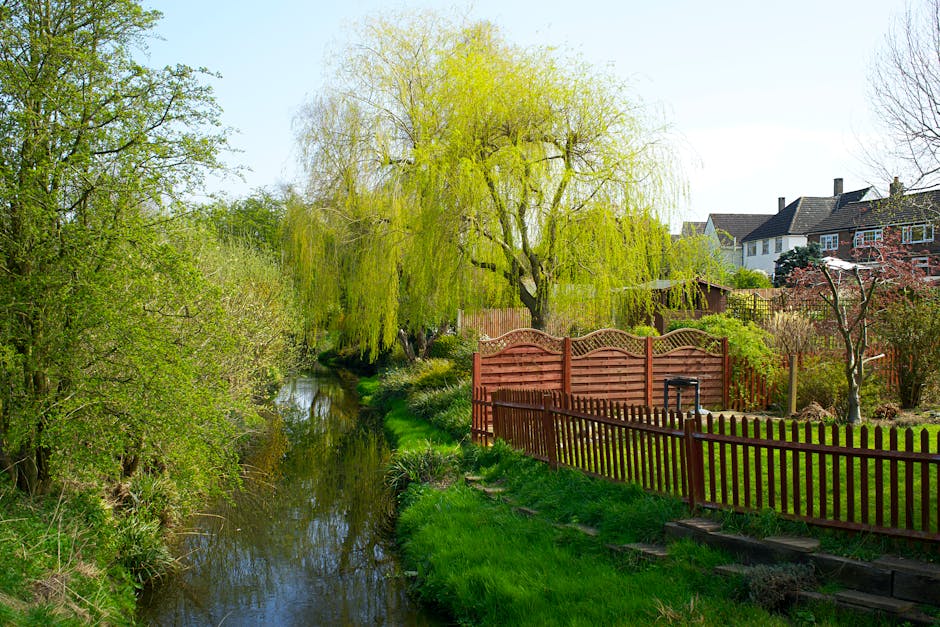
River Cray riverside garden maintenance for Crayford homes

If you live near the River Cray, you already know the garden can feel a little different from the rest of Crayford. The air sits cooler on some evenings, the soil can hold moisture for longer, and after a blustery spell or a heavy shower, the boundary between a tidy garden and a soggy one can disappear very quickly. River Cray riverside garden maintenance for Crayford homes is really about understanding those conditions and keeping your outdoor space healthy, usable, and attractive all year round.
That means more than mowing the lawn now and then. It means checking drainage, choosing plants that cope with moisture and wind, managing growth before it becomes unruly, and protecting structures and soil from the extra wear riverside gardens often face. In this guide, we'll walk through what to do, why it matters, and how to keep things manageable without turning every weekend into a gardening marathon. Truth be told, a well-kept riverside garden is less about perfection and more about steady, sensible care.
Below you'll find practical guidance, common mistakes to avoid, and a few local-minded ideas that make life easier for Crayford homeowners.
Why River Cray riverside garden maintenance for Crayford homes Matters
Riverside gardens are lovely, but they work harder than most. The River Cray brings a pocket of moisture, wildlife movement, and occasional ground softness that can affect planting beds, lawns, paths, and fences. If you ignore that reality, the garden often tells you off quietly at first: a patch of moss where turf should be, drooping shrubs after wind, weeds flourishing in rich damp soil, or a fence post that suddenly seems a bit too wobbly.
For Crayford homes, maintenance matters because it helps the garden stay resilient rather than reactive. You're not just tidying up. You're reducing long-term damage. A bed edged properly today is less likely to blur into the lawn next month. A hedge trimmed on time catches less wind. A decent layer of organic mulch can keep soil structure steadier through hot spells and wet ones alike. Small actions, really, but they add up.
There is also the lifestyle side. A clean, stable, welcoming garden is far more usable. You can sit out there without thinking about mud, drainage smells, or overgrown corners giving the place a neglected look. If that sounds familiar, the good news is that riverside maintenance is entirely manageable with the right rhythm.
Expert summary: Riverside garden care is less about dramatic makeovers and more about regular, location-aware maintenance: manage moisture, control growth, protect boundaries, and keep surfaces safe.
If your space is already feeling a bit behind, a wider refresh through routine garden maintenance can help bring it back under control without unnecessary upheaval.
How River Cray riverside garden maintenance for Crayford homes Works
At its core, riverside maintenance follows the same principles as good garden care anywhere else. The difference is in emphasis. Near the River Cray, you usually pay closer attention to water movement, soil health, wind exposure, and planting choices that can tolerate the conditions rather than fight them.
A practical maintenance routine typically starts with observation. Look after rain, after a windy spell, and during seasonal changes. Where does water sit? Which parts dry out first? Which shrubs lean slightly, or which lawn areas get slick and patchy? Those details shape the work you do next.
From there, the maintenance process usually includes:
- clearing debris before it blocks drainage or smothers planting beds
- cutting back plants before they become top-heavy or snag in the wind
- topdressing and feeding soil to improve structure
- refreshing mulch to protect roots and reduce compaction
- checking timber, edging, and fencing for early signs of wear
- monitoring moss, algae, and slippery surfaces on paths and patios
That may sound like a lot, but it becomes simple once you split it by season. Spring is for recovery and shaping. Summer is for watering discipline and trimming. Autumn is for clearing and protection. Winter, to be fair, is mostly about restraint and damage prevention. Not glamorous, but important.
In some gardens, practical support from landscaping services may be useful if poor drainage, uneven ground, or awkward borders keep causing repeat problems. You do not need to rebuild everything; sometimes one or two smart adjustments make a huge difference.
Key Benefits and Practical Advantages
The biggest benefit of regular riverside garden maintenance is stability. You get fewer surprises. The lawn stays healthier, shrubs stay in shape, and the whole plot becomes easier to manage. But the practical advantages go further than that.
- Better drainage behaviour: clearing channels, lifting compacted soil, and managing borders can stop waterlogging from spreading.
- Stronger plants: the right pruning, feeding, and mulching routine helps roots and foliage cope with the riverside microclimate.
- Lower repair costs: catching issues early is almost always cheaper than replacing fencing, turf, or paving later.
- Safer paths and patios: moisture and shade can make surfaces slippery, so maintenance improves day-to-day safety.
- Cleaner kerb appeal: a tidy garden near the river looks intentional, not accidental.
- More usable outdoor space: you're more likely to sit outside, garden with the family, or even just enjoy a cup of tea at the back door.
There is also a quieter benefit that people sometimes forget: a well-kept riverside garden tends to feel calmer. Less clutter, less overgrowth, less uncertainty. It's easier on the eyes, yes, but also easier on the mind. If you've ever looked out at a damp, crowded border and felt mildly defeated before breakfast, you'll know exactly what I mean.
For homes where privacy is also part of the brief, pairing maintenance with smart screening can help. A useful starting point is fast-growing privacy hedges, especially where river-facing gardens need a little more enclosure without looking harsh.
Who This Is For and When It Makes Sense
This kind of maintenance suits a surprisingly wide range of homeowners. You might think it only applies to properties right on the water, but even homes a short walk from the River Cray can feel its effects after wetter weather or strong gusts.
It makes particular sense if you:
- have a garden that stays damp longer than expected after rain
- notice moss, algae, or weeds returning quickly
- have hedges, shrubs, or trees exposed to wind corridors
- want to prevent soil erosion around beds and edges
- use your garden regularly and want it safe and pleasant to walk through
- are planning to sell and want the outside space to look well cared for
It also suits people who like their garden to do more than survive. Maybe you want space for herbs, seating, children, pets, or a couple of containers near the patio. Those all work beautifully in a riverside setting, provided the foundations are looked after. If you're aiming for a more practical planting style, container gardening can be a really sensible choice where soil conditions are patchy or changeable.
When is it most worth acting? Usually when you start noticing repeat patterns. One-off mess after a storm is normal. The same patch of trouble every month is a maintenance issue, not just bad luck.
Step-by-Step Guidance
Here's a clear way to approach riverside garden maintenance without overcomplicating it.
- Walk the garden after rain. Look for standing water, soft ground, muddy run-off, blocked drains, and any plant stress.
- Remove debris early. Fallen leaves, twigs, and cuttings can clog edges and create slippery patches if left to rot.
- Assess planting health. Check for yellowing leaves, top-heavy growth, broken stems, and plants that are simply in the wrong place.
- Prune with purpose. Trim shrubs and hedges to improve airflow and reduce wind drag. Do not just shear everything flat because it looks neat for five minutes.
- Feed the soil. Add organic matter or compost where soil feels tired, thin, or too quick to dry on top and stay wet below.
- Refresh mulch. A decent mulch layer helps hold moisture, reduces weeds, and protects roots from temperature swings.
- Check hard surfaces. Sweep patios and paths, treat algae if needed, and make sure steps are not becoming slick.
- Inspect timber and boundaries. Fence panels, posts, and edging often show wear before anything dramatic happens.
- Plan by season. Decide what needs regular trimming, what needs winter protection, and what should be left alone for habitat value.
A good trick is to think in zones: entrance, lawn, beds, seating, boundary, and river-facing edge. That way you're not staring at the whole garden and wondering where on earth to start. Start small. Always works better.
If larger trees are shading too much, dropping debris, or creating safety concerns, it may be sensible to review tree surgery support before the problem becomes more than a maintenance job.
Expert Tips for Better Results
A few small adjustments can improve riverside gardens far more than people expect. Here are the ones that usually matter most.
- Prune for airflow, not just appearance. Dense growth traps moisture and slows drying. Better airflow means fewer fungal headaches.
- Choose plants with some resilience. In damp, breezy spots, aim for plants that can cope rather than those that need constant coddling.
- Use ground cover strategically. Bare soil near the river is asking for weeds, splashback, and erosion. Low cover helps a lot.
- Keep an eye on edges. Borders, lawn perimeters, and path joints are often where water reveals problems first.
- Work with the slope, not against it. If water runs one way, let the garden guide it gently rather than forcing it into trouble.
- Don't overfeed. Too much fertiliser can push soft growth that looks lush and then collapses in wind or wet.
- Plan for winter before winter arrives. A little preparation in autumn saves a lot of frustration later.
One local-minded tip: if you want a soft, natural look around a riverside boundary, combine maintenance with layered planting rather than trying to keep everything clipped into submission. Evergreen structure, seasonal colour, and a low-maintenance ground layer can look far better than a row of stressed plants and bare patches. If you want ideas for that, the article on ground cover plants is worth a look.
And yes, there is such a thing as being too tidy. A garden that has no texture, no movement, and no habitat value can feel oddly cold. A bit of life is good. A bit of mess, managed well, is fine too.
Common Mistakes to Avoid
River-side gardens are forgiving in some ways, but not in others. The same mistakes crop up again and again.
- Ignoring drainage issues. If water pools in the same place repeatedly, sweeping it away is not a fix.
- Cutting hedges too hard at the wrong time. This can stress the plant and leave it looking thin or uneven.
- Letting soil stay bare. Bare ground compacts quickly, dries unevenly, and gives weeds a free run.
- Using the wrong plants for the spot. Not every border needs a high-maintenance favourite from a catalogue.
- Skipping winter checks. Wind exposure, frost, and saturated ground can do more damage than most people expect.
- Leaving slippery surfaces untreated. Patios and stepping stones near shade and moisture can become unsafe fast.
- Waiting until everything looks bad. Small, regular fixes are easier than rescue work. Much easier.
Another common trap is assuming that because a plant survived last year, it will keep coping forever. Gardens change. Light changes, roots spread, trees mature, weather patterns shift. What worked two seasons ago may need a fresh approach now.
If your outside space feels overwhelmed, a restoration approach through restoring a neglected garden can be a practical way to reset the whole plot without starting from scratch.
Tools, Resources and Recommendations
You do not need a shed full of expensive kit to maintain a riverside garden properly. In fact, the basics are usually enough if they're used consistently.
- Bypass secateurs: useful for clean pruning on live stems.
- Long-handled loppers: helpful for thicker branches and awkward reaches.
- Rake and leaf collector: important for clearing damp debris before it mats down.
- Spade and hand fork: still essential for improving soil and lifting roots.
- Stiff broom: ideal for patios, paving joints, and steps.
- Wheelbarrow or trug: makes repeated clear-up jobs much less annoying.
- Hose or watering can: for targeted watering rather than lazy soak-everything watering.
- Mulch and compost: not glamorous, but honestly, they do a lot of the heavy lifting.
For people setting up or refreshing a maintenance toolkit, a quick read through essential gardening gear can help you decide what's genuinely worth buying and what will only gather dust.
Useful supporting services may also include lawn care if your turf is suffering from damp patches, shade, or uneven growth. Sometimes the lawn needs its own plan, separate from the borders.
Law, Compliance, Standards, or Best Practice
For most Crayford homeowners, riverside garden maintenance is about best practice rather than heavy regulation. Still, there are a few sensible points to keep in mind.
If your garden work affects shared boundaries, trees, drainage, or nearby structures, it is wise to be careful and communicate clearly with neighbours where needed. That is especially true with hedges, overhanging branches, and fence lines. If there is any doubt, a cautious approach saves arguments later.
For work involving ladders, powered tools, or larger cuts to trees and tall shrubs, safety should come first. Good practice means using the right equipment, wearing protective gear, and not pushing beyond what is sensible for a DIY job. A lot of accidents are just a rush job with a bad angle. No drama, just a sore back or worse.
It also helps to think in terms of garden health rather than cosmetic speed. For example, proper pruning should support the plant's structure and seasonal recovery, not simply shorten it. Likewise, surface cleaning should improve grip and remove growth without damaging paving or nearby planting.
If you are bringing in outside help, check that any contractor works safely and transparently. You may also want to review health and safety information and insurance and safety details before work begins. That kind of caution is just common sense, really.
Options, Methods, or Comparison Table
Different riverside gardens need different maintenance styles. Here's a simple comparison to help you decide what feels realistic for your home.
| Method | Best for | Strengths | Limitations |
|---|---|---|---|
| DIY routine care | Smaller gardens or hands-on owners | Flexible, lower ongoing cost, easy to keep on top of simple tasks | Can miss deeper issues like drainage or tree-related stress |
| Seasonal professional visits | Busy households needing periodic support | Keeps major jobs under control without weekly commitment | Less responsive if issues appear between visits |
| Full maintenance plan | Gardens with constant growth, damp, or boundary issues | More consistent results, fewer surprise problems, easier long-term planning | Higher commitment, but often better value over time |
In practice, many homeowners do best with a mix: weekly light upkeep, seasonal heavy lifting, and professional support for the awkward bits. That combination tends to be realistic, which is half the battle.
Case Study or Real-World Example
A typical riverside Crayford garden might start with a familiar set of problems: a lawn that stays patchy near the shaded side, a border that holds water after rain, and a hedge that catches the wind like a sail. Nothing dramatic, just enough to make the space feel a bit tired.
In one practical-style example, the maintenance response would usually look like this: clear the leaf build-up, improve the border soil with compost, lift the hedge canopy slightly to help airflow, and add low ground cover where the soil keeps washing bare. If the patio is green and slippery, it gets cleaned properly rather than just brushed once and forgotten. The fence line is checked, because riverside weather can be sneaky about weakening timber.
After a couple of rounds of care, the change is usually less about a "before and after" reveal and more about how the garden behaves. Water no longer sits in the same place. Plants recover more quickly after wind. The lawn becomes easier to mow. And suddenly the whole space feels less like a problem and more like part of the home again.
That, honestly, is the real win. Not perfection. Just a garden that works.
Practical Checklist
Use this checklist to keep River Cray riverside garden maintenance for Crayford homes straightforward and seasonal.
- Check for standing water after rainfall
- Remove leaves, branches, and other debris regularly
- Trim hedges and shrubs before they become top-heavy
- Inspect fencing, borders, and edging for early wear
- Refresh mulch in beds and around vulnerable roots
- Watch for moss, algae, and slippery paving
- Feed the soil with compost or organic matter where needed
- Choose plants that suit damp, breezy, or shaded conditions
- Keep paths and access points clear and safe
- Review winter protection before the first hard frost
- Book help for bigger jobs if trees, drainage, or structure are involved
Do this consistently, and the garden becomes much less demanding. Not effortless, let's be fair, but definitely easier.
Conclusion
River Cray riverside garden maintenance for Crayford homes is about working with the location, not against it. Once you respect the moisture, the wind, the soil movement, and the seasonal shifts, the garden stops feeling fragile and starts feeling practical again. That is what most homeowners really want: a space that looks good, behaves well, and doesn't turn into a weekend burden every time the weather changes.
Keep the routine steady, deal with problems early, and choose improvements that suit the site. Whether that means better hedge management, clearer drainage, stronger borders, or a more resilient planting scheme, the goal is the same: a garden you can actually enjoy, not just keep rescueing. And yes, there will be muddy shoes sometimes. That's part of riverside life.
Get a free quote today and see how much you can save.
If you're ready to bring calm, structure, and reliable upkeep back to your outdoor space, get in touch with the team to talk through what your garden needs next.
Frequently Asked Questions
What makes riverside garden maintenance different from normal garden care?
Riverside gardens usually deal with more moisture, softer ground, extra wind exposure, and faster moss or weed growth. That means drainage, soil health, and plant choice matter more than in a standard suburban garden.
How often should a River Cray-side garden be maintained?
Light upkeep is best done weekly or fortnightly, with seasonal tasks added in spring, summer, autumn, and winter. The exact pace depends on growth, shade, and how quickly the garden gets cluttered after rain or wind.
Can I manage riverside garden maintenance myself?
Yes, if the garden is small and the issues are straightforward. Many homeowners can handle clearing, pruning, and basic soil care. If you're dealing with drainage, large trees, or repeated damage, professional help can be worthwhile.
Which plants usually cope best near damp or windy garden edges?
Plants that tolerate variable moisture, have flexible stems, or provide good ground cover tend to work well. The best choice depends on light levels, soil type, and how exposed the garden is, so it's worth planning carefully rather than guessing.
Why does moss keep coming back on my patio or path?
Moss usually comes back when a surface stays damp, shaded, or dirty enough to hold moisture. Cleaning helps, but improving light, airflow, and drainage usually gives longer-lasting results.
Do I need specialist help for poor drainage?
Not always, but repeated pooling water, sinking soil, or recurring boggy patches often need more than surface tidying. A proper assessment can save time and stop the same issue returning every season.
What should I do before winter hits?
Clear debris, secure vulnerable plants, check fencing and trellis work, and protect anything prone to frost or wind damage. Winter preparation is one of those jobs that feels optional until the first rough spell arrives.
How can I keep a riverside garden looking tidy without constant work?
Use mulch, choose resilient planting, trim little and often, and reduce bare soil where possible. Good structure does a lot of the visual work for you, which is handy when life gets busy.
Are hedges useful for river-facing homes in Crayford?
Yes, hedges can add privacy, soften wind, and create a calmer feel around the garden. They do need regular trimming, though, or they quickly become part of the problem instead of part of the solution.
Is it worth refreshing old planting beds rather than replacing them completely?
Usually, yes. In many gardens, improving soil, reshaping edges, and replanting a few stubborn areas is enough to transform the space without a full redesign. It's often the sensible route.
What is the biggest mistake homeowners make with riverside gardens?
The biggest one is waiting until multiple problems build up at once. A small damp patch, a leaning shrub, or a tired border is far easier to deal with early than after it has spread into a bigger maintenance job.
Can maintenance improve kerb appeal quickly?
Absolutely. Even a focused tidy-up, hedge trim, lawn reset, and patio clean can make a garden feel cared for again very quickly. Sometimes the change is more dramatic than people expect, which is nice for a Monday morning surprise.